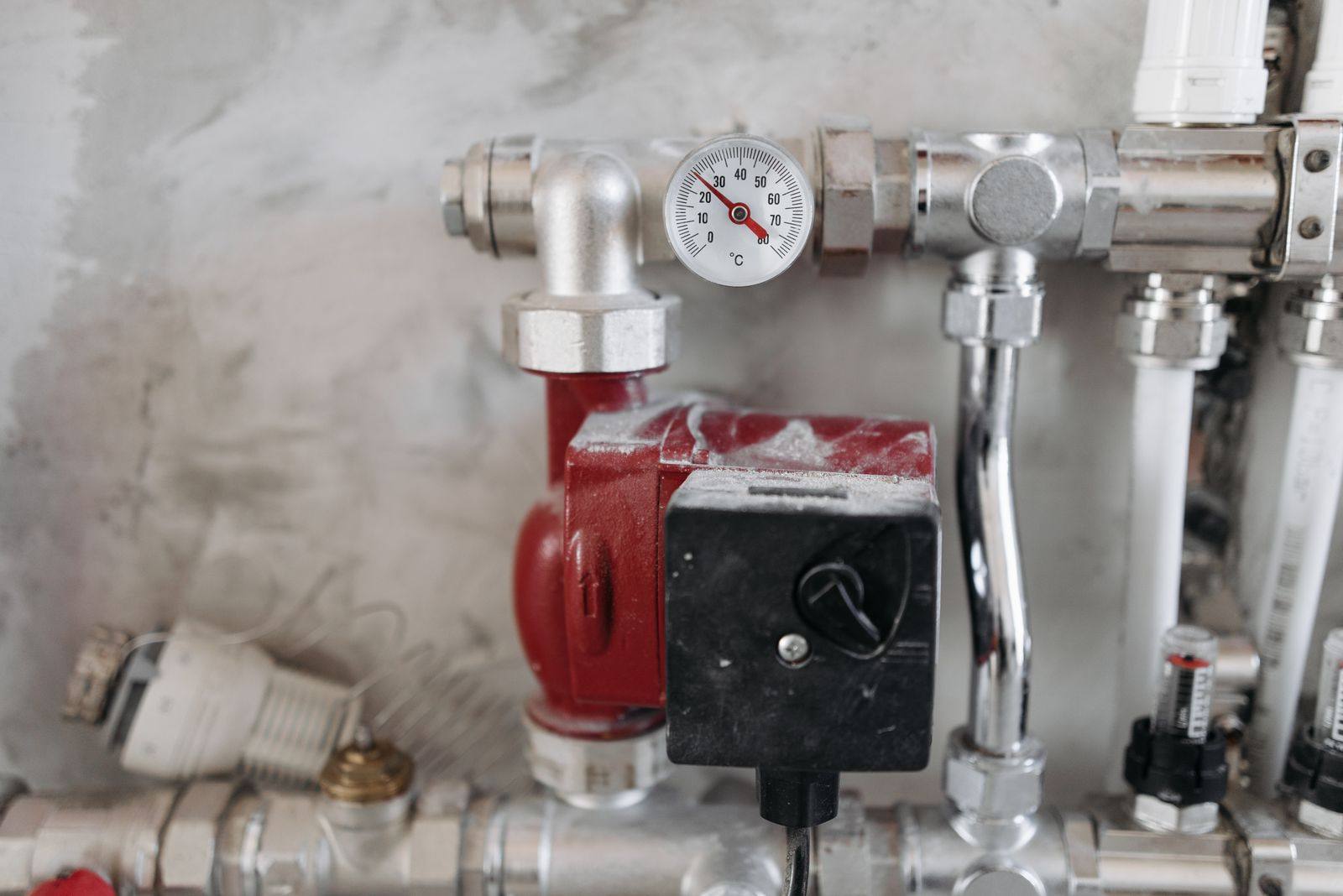
Emergency water heater repair in Tucson
A water heater emergency is usually one of three things: a leak that is spreading water, a complete loss of hot water, or the smell of gas. The first hour matters more than anything else — what you do before a provider arrives decides whether the damage stays small or spreads through the house.
If you smell gas, leave the home and call your gas utility or emergency services from outside. Do not try to relight a pilot, and do not switch electrical devices on or off.
What to do right now
- - Leaking tank — turn off the water supply to the heater. For a gas unit, turn the gas control to off; for an electric unit, switch off the breaker. If water is spreading, shut off the home's main water supply and move valuables, rugs, and electronics out of the way.
- - No hot water — check the breaker (electric) or the gas control and pilot (gas). If both look normal and there is still no hot water, the heater needs diagnosis — a failed element, thermostat, thermocouple, or gas valve is the usual cause.
- - Flooding — shut off the main water supply first, then the power or gas to the heater. Mop up what you can and note where the water came from; the provider will want to know.
- - Strange smell from the hot water — a sulphur or rotten-egg smell from hot water only usually points to the anode rod reacting with the water. It is unpleasant but not an emergency; note it in your request.
What counts as an emergency
A leak that is spreading, a flooded utility area, no hot water with small children or elderly people in the home, and any gas smell all count. A popping noise, lukewarm water, or a heater that is simply old does not — those are repairs to schedule, not emergencies, and the repair page covers them.
After the first hour
Once the water is off and the area is safe, describe what happened in a request through the contact page. Include the heater type, its approximate age, and exactly what you saw — where the water came from, when it started, and whether the heater is gas or electric. The more specific the request, the faster a provider can prepare. Requests are shared with independent local providers who serve Pima County.
Heat and minerals do the damage here. Summer garage temperatures stress components and dry out seals, and hard water lays down sediment in tank heaters and scale in tankless heat exchangers faster than in most American cities. The monsoon season adds humidity and dust, which can clog vents and air intakes if they are not kept clear.
Frequently Asked Questions
My water heater is leaking. Is that an emergency?
Yes, if water is spreading. Turn off the water supply to the heater and, if needed, the home's main supply, then request help. A leaking tank cannot be repaired — it needs replacement, covered on the replacement page.
I have no hot water. How urgent is it?
It depends on the household. With no hot water at all, most providers treat it as urgent, especially in cold weather. Check the breaker or gas control first — a tripped breaker is a two-minute fix.
What should I do if I smell gas?
Leave the home immediately and call your gas utility or emergency services from outside. Do not relight a pilot or use electrical switches.
Will a provider come out at night?
Providers set their own hours. Describe the problem in your request and the provider who responds will confirm timing directly with you.